
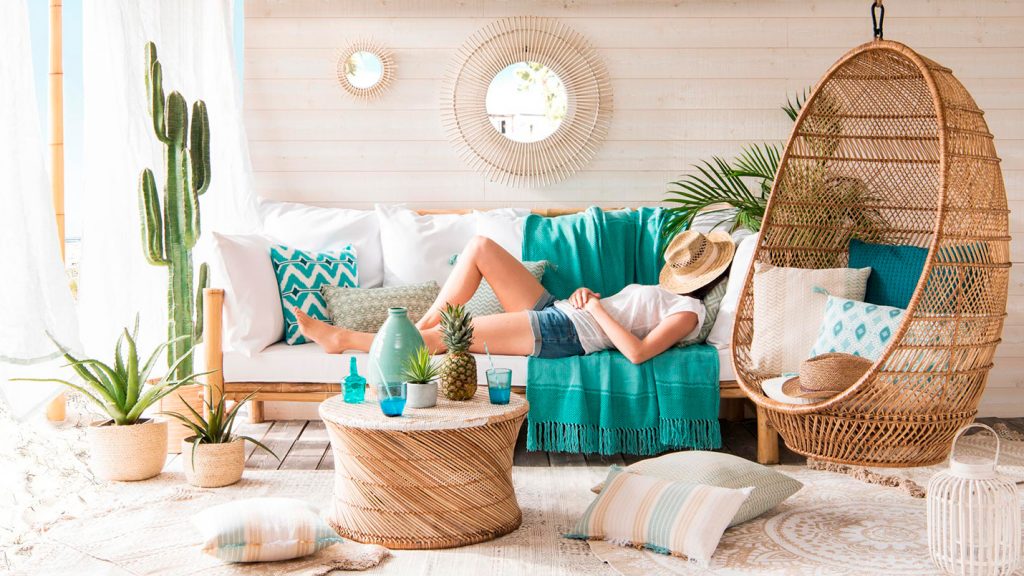
Okay, so you’ve scrolled through a hundred Pinterest boards with the word “Mediterranean” slapped on them, and honestly, half of them look nothing alike. Some show pure white walls and blue shutters like a Greek postcard. Others lean into terracotta, wicker, and dried olive branches. So which one is it?
Truth is, both belong to the same family. Mediterranean decor is really an umbrella term that covers everything from coastal Provençal charm to sun-baked Andalusian courtyards. What ties it together isn’t a single color palette — it’s a feeling. Light. Warmth. A house that breathes, that lets the outside in. If you’ve ever spent a summer wandering the calanques near Marseille, you know exactly what I mean — that specific quality of light bouncing off limestone and turquoise water. And funnily enough, if you’re thinking about actually moving somewhere with that vibe, even temporarily, checking out https://location-studio-marseille.fr gives you a pretty good sense of what a real Marseille apartment looks like inside, which honestly helped me picture the whole aesthetic better than most mood boards ever did.
The Color Palette: Forget “Blue and White Only”
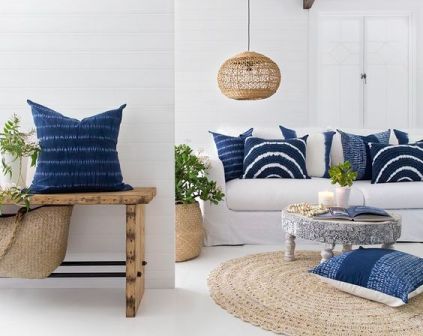
Here’s where a lot of people get it wrong, I think. They assume Mediterranean = navy blue and white, full stop. But that’s more of a Cycladic thing (think Santorini). A true Marseille-inspired interior pulls from a warmer, earthier register:
- Ochre and terracotta, like the old rooftops you see from the Notre-Dame de la Garde hill
- Sun-bleached whites, slightly off, never too clinical
- Deep Mediterranean blue, but used sparingly — a door, a cushion, not the whole wall
- Sage green and olive tones, echoing the region’s actual vegetation
Perso, I find that mixing ochre with a dusty blue creates way more depth than the classic all-white-and-navy combo. It feels lived-in, not staged.
Materials That Bring the South Into Your Living Room
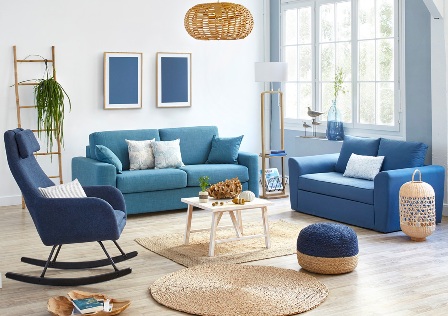
This is honestly where the magic happens. Materials matter more than color here.
Terracotta tiles on the floor, or at least terracotta-look ceramic if you’re renting and can’t touch the actual floor. Rattan and wicker furniture — a woven armchair or a simple pendant lamp instantly does 80% of the work. Raw linen curtains that let light filter through instead of blocking it. And plaster walls with a slightly rough, tadelakt-style finish if you can manage it (a decorative lime plaster technique, originally Moroccan, that’s become a favorite in southern French interiors).
Wood should feel weathered, not glossy. Think reclaimed olive wood or a table with visible grain, not a shiny lacquered finish.
Small Details That Make a Huge Difference
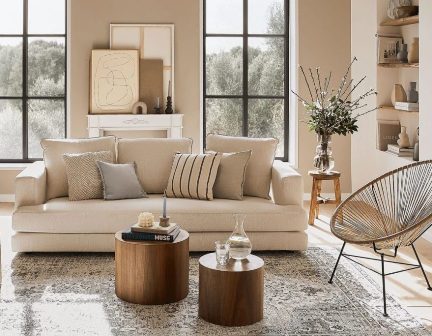
Would you believe that a few dried eucalyptus branches in a clay vase can change the whole mood of a room? It sounds almost too simple, but it works.
A few things worth adding:
- Woven baskets for storage instead of plastic bins
- Ceramic pottery with imperfect, handmade edges
- Olive branches or dried lavender bunches (lavender being an unmistakable nod to Provence)
- Striped textiles inspired by traditional “Nattier blue” Provençal fabrics
- Iron or wrought-metal light fixtures, slightly rustic
Common Mistakes to Avoid
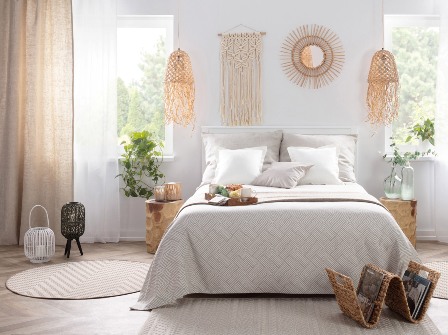
I’ve seen this go wrong more than once. Overdoing the blue is mistake number one — too much of it and you end up with something closer to a beach-themed hotel lobby than an actual home. Mistake two: too much symmetry. Mediterranean interiors are relaxed, slightly imperfect, almost improvised-looking. And mistake three, probably the sneakiest one: forgetting texture. If everything is smooth and flat, the room loses that tactile, sun-warmed feeling that defines the style in the first place.
Bringing It All Together
So, should you go full Mediterranean or just borrow a few elements? Honestly, that depends on how much commitment you’re ready for. Even adding two or three pieces — a terracotta vase, a linen throw, one rattan chair — can shift the whole mood of a room. You don’t need to repaint every wall ochre to get the feeling right.
What matters most is warmth, texture, and a bit of imperfection. That’s the real Marseille spirit: sunlight, salt air, and a house that feels like it’s been lived in for generations, even if you moved in last spring.